Museum Digital Programming During Renovation: From Closed Doors to Public Impact
Updated: Oct 4
How documentary and digital programming helped a museum stay visible during a long recovery
When a museum closes for restoration, the risk is not just disruption. It is public silence.
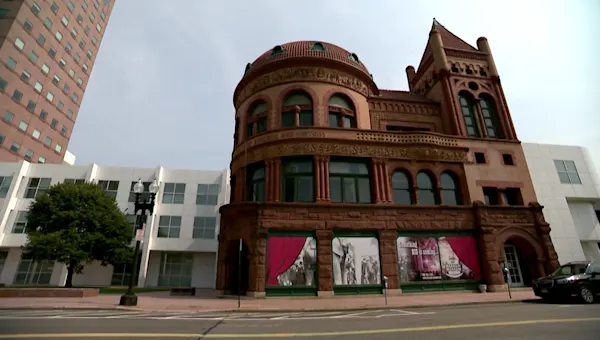
The Barnum Museum’s closure was not a short pause. According to the Museum’s own recovery overview, the building suffered major damage from an EF-1 tornado on June 24, 2010, followed by additional damage from Hurricane Irene (2011) and Superstorm Sandy (2012), triggering a long, multi-phase recovery effort to stabilize the building and preserve thousands of artifacts.

So the question became simple and urgent: how does a museum stay present and credible when the doors are closed?
A museum can close its doors. The internet, somewhat inconveniently, remains open.
The answer was not marketing. It was documentation and digital programming designed to keep collections, research, and interpretation accessible.
Documentary work built for long term value
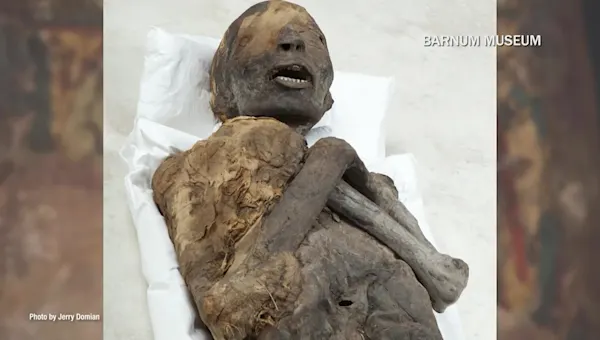
The work began with careful documentation of the Museum’s forensic facial reconstruction effort, capturing the technical decisions and interpretive choices behind restoring the face of the Museum’s Egyptian mummy.
This was not the kind of project where “we’ll fix it in post” was a particularly comforting production philosophy.
That material became part of a larger film:
The film integrates earlier footage with newly produced material, expert interviews, and research driven narrative editing. I handled documentary post production and editing, shaping the final story alongside director William Sarris with delivery aligned to grant deadlines.
The goal was clarity and interpretation, not spectacle.
Museum Digital Programming During Renovation: A Practical Model
As recovery work continued, the Museum expanded its public presence through YouTube, building an accessible way for audiences to stay connected to the institution.
Series such as Showman’s Shorts and Curious People Wanted translated collections and curatorial research into concise episodes built for online audiences. This approach created a library of interpretation that can keep serving the Museum while the building recovery continues.


Public events, press, and fundraising visibility
The documentary moved into public facing programming, including a festival screening at NHdocs and a community screening at the Bijou Theatre in Bridgeport.
At the Bijou screening, QR codes enabled attendees to donate directly to the Museum’s recovery efforts. Documentation moved beyond archive and into active institutional support.
The partnership also included documentation of major institutional milestones, including the Museum’s National Historic Landmark event.
Watch the National Historic Landmark live event video here:
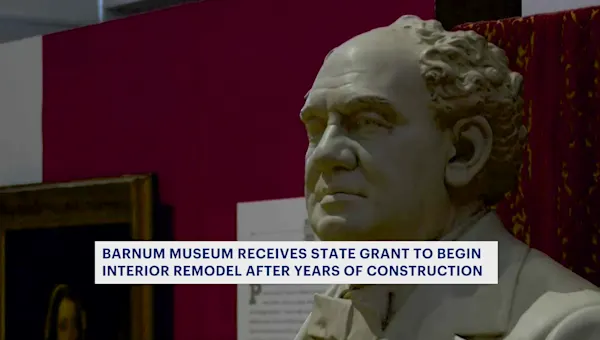
Independent coverage across local and industry outlets reinforced the legitimacy of both the underlying research and the Museum’s public interpretation:
A larger ecosystem, not a single film

The Museum’s public storytelling extended beyond video. The Barnum Museum also developed a podcast, Becoming Barnum, built around primary sources and curator led interpretation:
Together, documentary work, short form series, and audio programming created a consistent public presence during a period when the building itself could not function as a traditional museum experience.
Selected recognition
Awards are not the objective. Sustained institutional value is. Still, third party recognition helps signal production quality and relevance.

Selected recognition for this body of work includes:
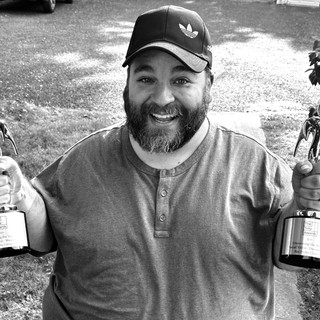
CLHO Award of Merit (2023) for Curious People Wanted: A Collections Based Video Series
Telly Awards (2024) recognizing the documentary and related programming
Boston/New England Regional Emmy recognition (2025) and Telly Awards (2025) recognizing Showman’s Shorts and series work
A model for cultural institutions
For curators and cultural leaders planning renovations, conservation work, major research initiatives, grant funded interpretation, or milestone anniversaries, documentation should not be an afterthought.
When structured intentionally, it becomes infrastructure: preserving institutional memory while extending public visibility.
This project demonstrates how museum digital programming during renovation can preserve institutional visibility, support fundraising, and extend interpretation beyond the physical building.
For details about documentary style institutional storytelling, Get in Touch.


Comments