Oral History Video Services and the Work Worth Preserving in Small Historical Organizations
Updated: Oct 4

Most historical organizations already record things.
A lecture on a phone.A quick interview after an event.A clip posted for visibility.
Phones are very good at capturing a moment. They are somewhat less committed to explaining what anyone should do with it five years later.
The problem is not effort. The problem is longevity.
Is it work worth preserving, or is it just a recording?
Why Oral History Video Services Matter

Oral history is not marketing. It is preservation.
People move on. Leadership changes. Longtime volunteers step back. Community members who hold the story are not always here forever.
Oral history video services help you capture that knowledge with structure, clarity, and long-term usefulness.
The goal is simple: work worth preserving.
Recording vs Documentation

Recording is “we should capture this.”
“We recorded it somewhere” is not technically an archival strategy, although many organizations have tested the theory.
Documentation is “we should capture this so it can be used later.”
That difference shows up in the planning:
What knowledge needs to be preserved
What story needs context, not just quotes
What questions will produce usable answers
How the final files will be organized and retrieved
Work worth preserving is rarely accidental.
What Often Gets Missed

Oral history is usually thought of as one interview with one person.
In practice, oral history video services can preserve much more:
Leadership transition interviews so institutional knowledge does not vanish
Volunteer and community testimonies that explain how the work actually happened
Exhibit context interviews that capture interpretation and intent
Program impact narratives that connect mission to outcomes
Artifact storytelling where the object is paired with meaning
This is the work worth preserving. Most of it never gets captured.
Why Professional Structure Matters
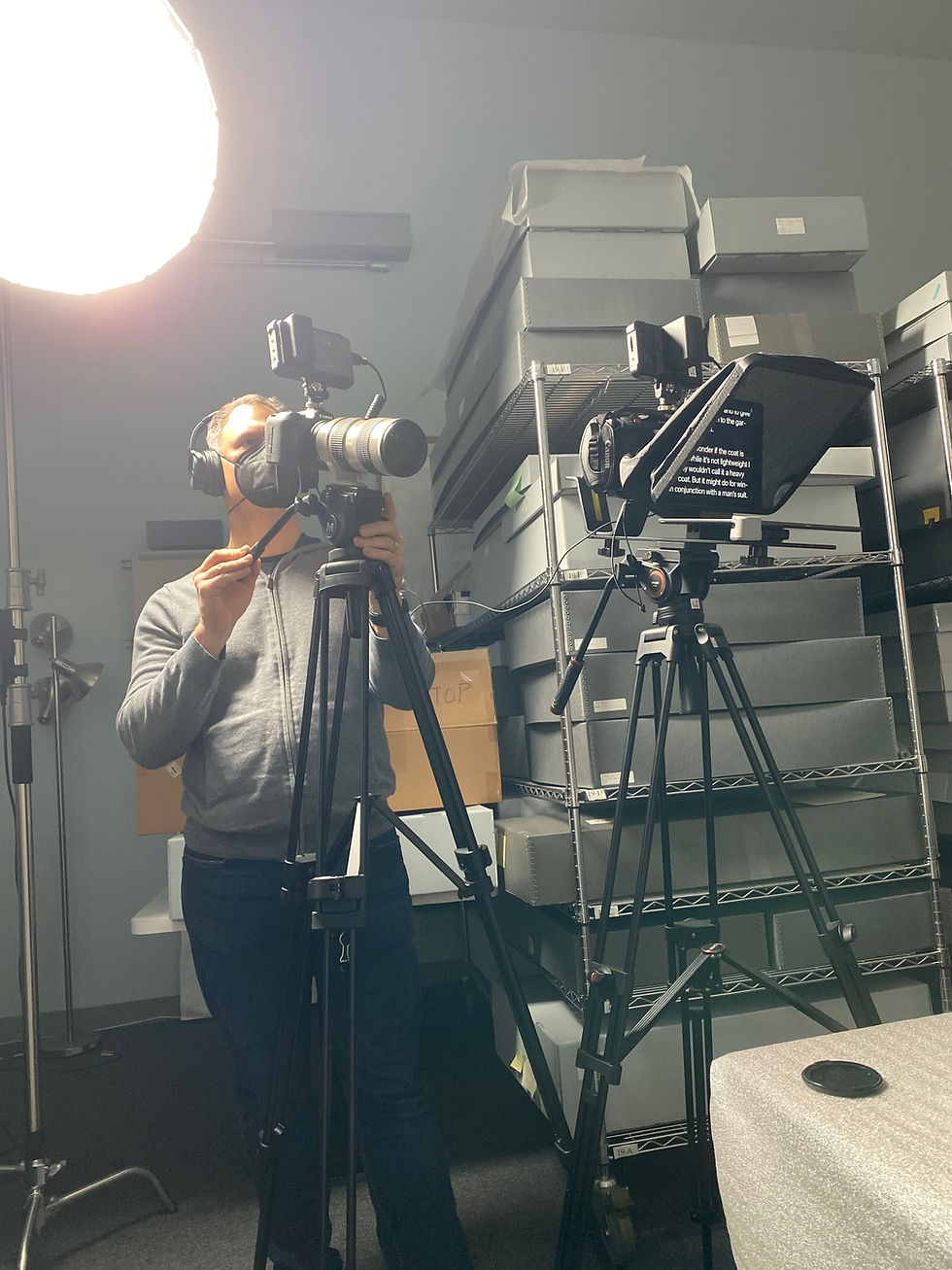
Professional does not mean flashy. It means usable.
Clean audio that holds up over time
A guided interview that stays focused and natural
Footage delivered in a way that is organized, labeled, and retrievable
A result that supports preservation, education, and reporting
The true test of an archive is whether someone other than the person who created it can actually find anything.
You do not just get a video. You get an asset. You get work worth preserving.
A Simple Test

If someone stepped into your organization five years from now, what would you want them to understand about:
Key people and turning points
Why choices were made
What mattered most, and why
If that knowledge lives only in conversations and scattered notes, it is fragile.
Oral history video services turn it into documentation that can be stored, retrieved, and reused. Documentation that lasts. Documentation designed to stay usable.
If you’re planning an oral history, museum, or historical society project and want documentation that holds up over time, I’m open to discussing an approach that fits your timeline and delivers organized files your team can reuse. For details, Get in Touch.


Comments