Barnum Museum Documentary Screens at NHdocs
Updated: Oct 4

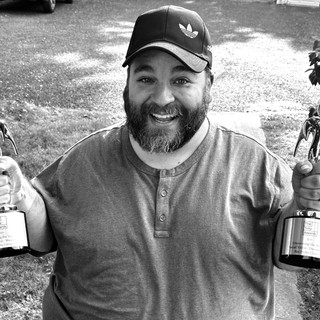
About a week ago, Uncovering the Secrets of an Egyptian Mummy and Coffin: The Quest to Restore Personhood screened at NHdocs: The New Haven Documentary Film Festival, followed by a live Q&A with the directors and team. The film was produced for the Barnum Museum in Bridgeport, with me handling post production and documentary editing alongside director William Sarris.
A festival Q&A is also where you discover which parts of the film people were thinking about while you were worrying about completely different parts.

Why This Barnum Museum Documentary Matters

Festival audiences arrive with no prior connection to the institution or context. That is a useful test: can a story built inside a museum travel to an audience with fresh eyes?
It is a useful way to find out whether the story actually works, because nobody in the audience is obligated to be impressed.
Seeing the film screen at NHdocs, and then talking with attendees during the Q&A, confirmed something important: when institutional documentary work is structured clearly and built around real process and people, it resonates outside the building.

Connecting to earlier work: forensic reconstruction
This documentary is the culmination of a broader body of work documenting this project over time. One early component was documenting a forensic facial reconstruction workshop at the New York Academy of Art, where experts built a lifelike face from the Barnum Museum’s Egyptian mummy’s skull.
That process was captured in its own blog post, Documenting Forensic Facial Reconstruction: Bringing the Barnum Museum’s Mummy to life. In that piece, I focused on how capturing the method and decisions step by step creates reusable institutional assets for interpretation, education, archival use, and exhibit storytelling.
That documentation was more than a moment-in-time story; it helped shape how the larger documentary approached narrative, pacing, and showing rather than telling the audience what happened and why it matters.
The story at the center of the film
The documentary follows the Barnum Museum’s process of rethinking a 4,000-year-old Egyptian mummy and coffin in its collection. Using CT imaging, forensic expertise, and scholarly research, the project reframes the remains—long thought to be a male priest—into the story of a woman named Ipy.
Local coverage: News 12 Connecticut also featured the project during the Museum’s ongoing research and interpretation work.
This work has also been shared through YouTube and local coverage, building public access to research that might otherwise stay inside academic or museum walls.

The filmmaker badge is mostly useful for proving you belong there while still feeling slightly surprised that you do.
Why I’m sharing this now
Festival selection was not the goal. The real goal was to create documentary media that stays useful over time: clear structure, credible interpretation, and deliverables an institution can reuse for education, outreach, and engagement.
NHdocs affirmed that this kind of work can hold up with a documentary audience when it’s produced with that long view. If your museum, nonprofit, or public institution is working on a research, conservation, or interpretation project and wants documentation built to last, I’m open to discussing an approach that fits your timeline and produces reusable deliverables.
For details, Get in Touch.


Comments