Lecture Video Production for Nonprofits on a Budget: Turning Events Into Lasting Content
Updated: Aug 24
Most nonprofits are already sitting on content they paid for…and then let disappear.
Lectures, panels, public programs. They happen once, people show up, and that’s it. No long-term use. No real return beyond that night.
That’s the gap this fills.
This is what video production for nonprofits on a budget actually looks like when it’s done right.
The problem most organizations don’t realize they have
If you’re running:
lecture series
panel discussions
educational programming
grant-funded events
You already have valuable content.
But in most cases:
it’s not recorded well
or it’s recorded but not usable
or it just sits somewhere and never gets used
So you end up doing more events…instead of getting more out of the ones you already did.
That’s the thing.
You don’t always need more content. You need to use what you already have better.
A real example: Destination Georgetown
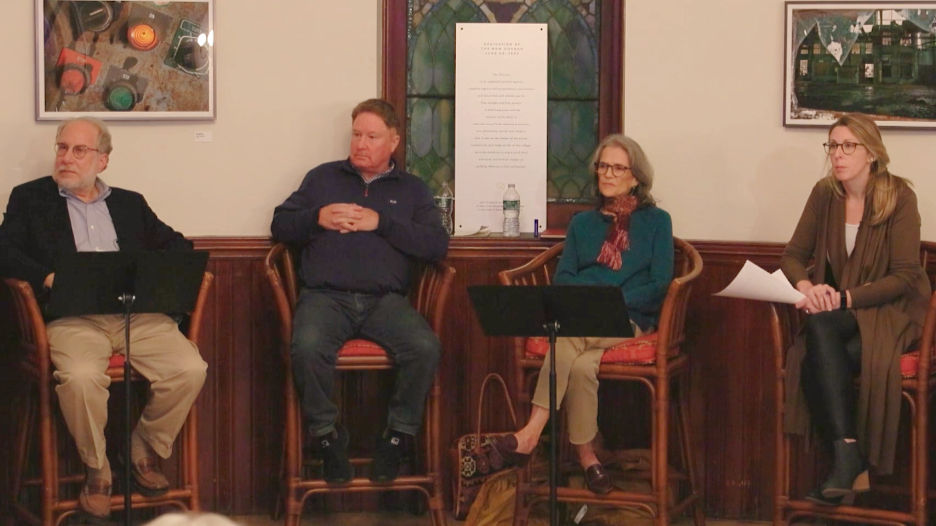
I worked with The Granite on a five-part lecture series called Destination: Georgetown, instead of treating it like a one-time event, they made a decision early:
“Let’s make this something people can use after the room is empty.”
That’s where I came in.
I was hired to:
edit the full series
handle on-site video production
and operate second camera for the final sessions
Nothing flashy. Just making sure it was captured properly and turned into something people could actually watch later.
What “recording lectures for nonprofits” actually means

A lot of organizations think recording a lecture is simple.
Set up a camera in the back. Hit record. Done.
Technically, yeah. You’ll get something.
But what you end up with is:
bad audio
awkward framing
slides you can’t read
pacing that doesn’t hold up
and, inevitably, one audience member whose head becomes a major supporting character.
That’s not usable content. That’s documentation for your own records.
What we’re talking about here is different.
This is about:
making it clear
making it watchable
making it usable beyond the room
Project Overview: Educational Programming That Lasts
For this series, I edited all five lectures into long-form videos that could live online and be used over time.
That included:
audio cleanup and leveling
consistent visuals across sessions
integrating slides and archival material properly
adjusting pacing so people could actually follow along
exporting in formats that work across platforms

A lot of this content relies on visuals like slides and archival material.

Then for the final two lectures, I was on-site:
capturing additional camera angles
managing live coverage
making sure the footage gave us flexibility in editing
That part matters more than people think.
If it’s not captured right, you’re limited later. There’s no fixing bad source footage.
Editors have many tools. A time machine is still not one of them.
Why Video Production for Nonprofits on a Budget Still Works

Here’s where the “on a budget” part actually comes in.
You’re not creating something new from scratch.
You’re already:
paying speakers
organizing events
promoting attendance
The cost is already there.
This approach just makes sure:
the content lasts
and keeps working after the event is over
From this one lecture series, they now have:
a full educational resource
content for outreach
material that supports their credibility
something that can be reused in different ways
That’s a much better return than a single night.
What this kind of video can actually be used for

This is where people start to see the value.
Once it’s done properly, the same content can be used for:
educational access (people who couldn’t attend)
grant documentation
website content
YouTube or archive libraries
internal reference
pulling short clips if needed
You’re not guessing what to post next. You already have it.
Where most nonprofits go wrong
Let’s just say it straight.
They under-record the event
One camera, bad audio, no plan.
They over-focus on “highlight videos”
Short recaps instead of usable long-form content.
They don’t think past the event
No plan for how it will be used later.
They assume “good enough” is fine
Until they try to actually use the footage.
This is where documentary style videography fits
The way I approach this is simple.
It’s basically documentary style videography, just applied to events.
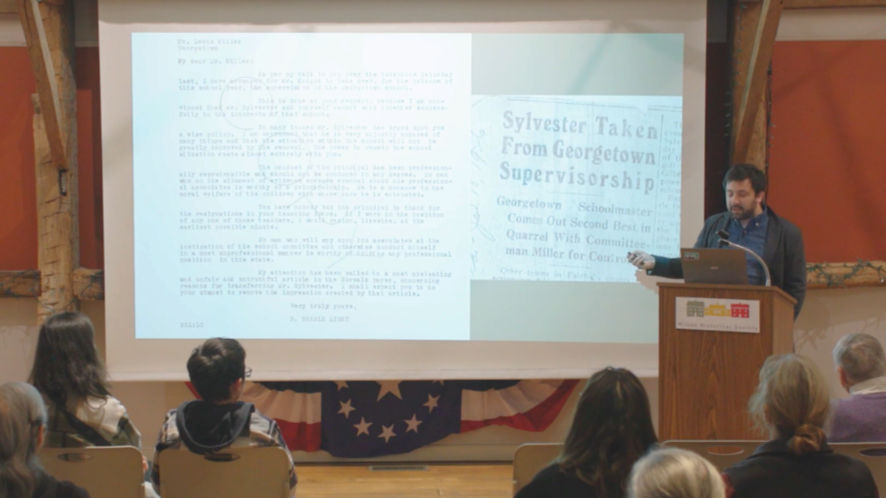
That means:
focus on clarity
focus on what’s being said
let the content carry the piece
No over-editing. No trying to make it something it’s not.
Just making sure:
it’s clean
it’s understandable
and it holds up over time
That’s what makes it useful.
What This Project Demonstrates
With Destination Georgetown, The Granite ended up with something bigger than the original event.
Instead of:
five nights of programming
They now have:
a structured digital resource
something that reflects the quality of their work
content that keeps working without additional effort
That’s the difference.
This isn’t just recording. It’s building something that lasts.
Could Your Organization Benefit From Lecture Video Production?
This isn’t for everyone.
But it does make sense if you’re:
running lecture series regularly
hosting public talks or panels
managing educational programming
working with grant-funded content that needs documentation
If that’s you, you already have what you need.
You just need to capture it properly.
A lot of organizations around here—Stratford, Bridgeport, Fairfield, even smaller towns—are doing strong programming.
But most of it:
stays local
or disappears after the event
There’s a real opportunity to:
extend reach
build a library over time
and make that work visible beyond the room
You don’t need a bigger production. You just need a better approach.
You’re already doing the hard part:
organizing events
bringing people in
creating meaningful content
This just makes sure it doesn’t stop there.
Final thought
If your organization is investing in lectures, panels, or educational programs that deserve to last beyond one night, I’m open to discussing a practical production approach that fits your budget. Learn more about lecture video production and post-production services, or Get in Touch.


Comments